• Home
  • About
  • Contact
  • Privacy Policy
   
  • Home
  • About
  • Contact
  • Privacy Policy

Home

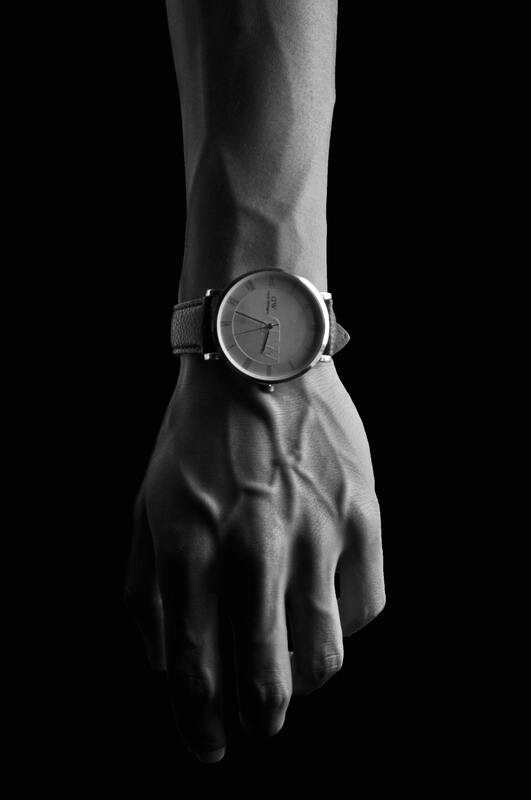
​A luxury watch is a timepiece made with exceptional craftsmanship, premium materials, and complex mechanics. It goes beyond timekeeping—symbolizing heritage, status, precision, and design excellence.

​Key Traits:
  • Hand-assembled or finely finished
  • Made of high-end materials (gold, platinum, titanium, ceramic)
  • Powered by mechanical movements (not quartz)
  • Often limited in production
  • Built to last generations

Movements: The Engine of a Watch
​
Luxury watches are often mechanical. There are three main types of watch movements:
▸ Mechanical (Manual-Wind)
  • Powered by winding a mainspring manually
  • No battery
  • Requires daily or regular winding
  • Appreciated for craftsmanship
▸ Automatic (Self-Winding)
  • Winds itself using the movement of your wrist
  • Also mechanical—no battery
  • Most popular in luxury watches
▸ Quartz (Battery-Powered)
  • Very accurate
  • Low maintenance
  • Often excluded from high-end luxury category (with exceptions)
Materials UsedLuxury watches are made from premium materials for durability, aesthetic appeal, and status.
  • Case Materials: Stainless steel, gold (white/yellow/rose), platinum, ceramic, carbon fiber, titanium
  • Crystal: Sapphire (scratch-resistant), occasionally mineral or acrylic
  • Straps: Alligator/crocodile leather, calf leather, rubber, steel, titanium, or fabric (NATO, sailcloth)
​Watch Complications (Extra Features)A complication is any function on a watch beyond telling the time.
Common Complications:
  • Date/Day Display
  • Chronograph (stopwatch)
  • Moonphase
  • Power Reserve Indicator
  • GMT/World Time
  • Tourbillon (rotating escapement for accuracy)
  • Perpetual Calendar (accounts for leap years)
  • Minute Repeater (chimes time on demand)
Picture
Watch Design and AestheticsLuxury watches blend form and function. Key design elements include:
  • Dial Design: Clean, skeleton (openwork), guilloché (engraved), enamel, sunburst
  • Case Shape: Round, square, tonneau, cushion
  • Hands & Markers: Applied indices, Roman numerals, dauphine hands, luminous material
  • Size: Measured in mm; most men's watches range 36–44mm, women's 28–38mm

​Watchmaking Techniques
  • Hand-Finishing: Polishing, beveling, engraving by hand
  • Movement Decoration: Côtes de Genève, perlage, anglage
  • Assembly: Often done by master watchmakers
  • Regulation: Adjusting accuracy for high precision

Collecting Luxury WatchesTypes of Collectors:
  • Aesthetic collectors: Focus on design
  • Horology enthusiasts: Focus on mechanics and complications
  • Investment-minded: Seek watches that appreciate over time
  • Thematic collectors: Focus on diving, aviation, or dress watches
Watch Categories:
  • Dress Watch – Minimal, elegant
  • Dive Watch – Water-resistant, luminous, rotating bezel
  • Chronograph – Sporty, stopwatch function
  • Pilot Watch – Large dial, legible, often GMT
  • Field Watch – Rugged, military-inspired
  • Luxury Sports Watch – Blend of elegance and robustness
Picture
Watch Care and Maintenance
  • Mechanical watches require servicing every 3–7 years
  • Avoid magnets and water unless watch is rated for it
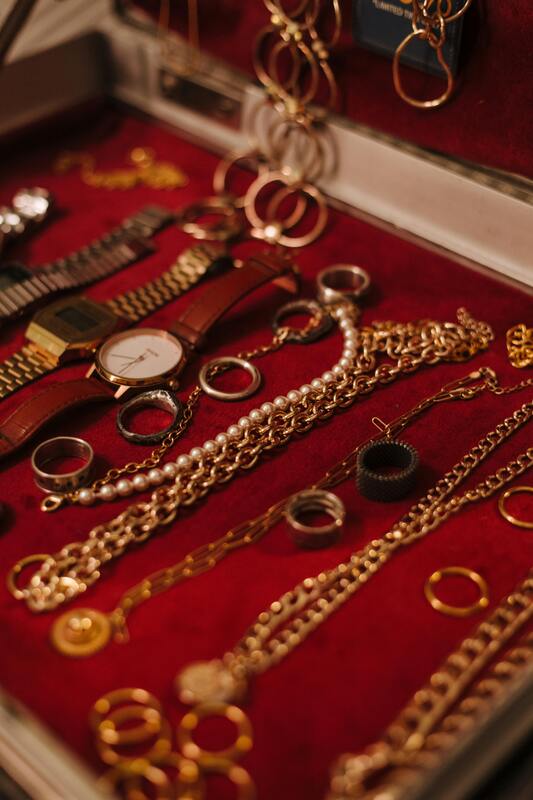
  • Store in a watch box or winder
  • Wind regularly (even automatics if not worn)

​Investment and ValueSome watches increase in value due to:
  • Limited production
  • In-house movements
  • Historical significance
  • Market demand

​Red Flags and What to Avoid
  • Fake watches: Counterfeits can be highly convincing—always authenticate
  • Overpaying: Know the market value
  • Grey market risks: Non-authorized dealers may void warranties
  • Poor service history: Especially for vintage watches

  • Home
  • About
  • Contact
  • Privacy Policy